
At University Medical Center Göttingen, digital pathology has become an integral part of daily diagnostic practice. Under the leadership of Prof. Dr. med. Philipp Ströbel, the Institute of Pathology has been among the early academic adopters of digital pathology for routine diagnostics in Germany.
The institute processes approximately 45,000 histological and cytological cases annually. As case complexity and workload increased, the team sought better workflow transparency, improved access to cases, and more efficient use of specialist expertise.
Traditional pathology workflows often depend on physical slide movement, retrieval, and manual coordination. These processes can consume valuable time and create inefficiencies in daily operations.
The most valuable asset in pathology is time.
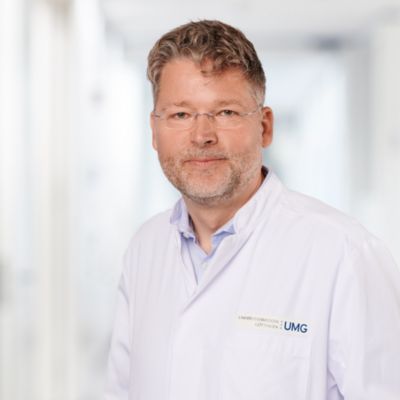
The institute's long-term vision was to create a fully digital and paperless pathology workflow, covering every step from case registration through diagnosis and structured reporting.
By continuously optimizing its digital pathology environment, Göttingen reduced dependence on manual processes such as slide sorting, transport, and retrieval. Digital worklists and instant access to cases support parallel workflows and create greater flexibility in how work is distributed and reviewed.
These workflow improvements help pathologists spend less time managing logistics and more time focused on diagnosis, collaboration, education, and clinical decision support.
Digital case access has transformed how pathologists collaborate both within the department and across organizations.
The ability to instantly review and share cases facilitates second opinions, multidisciplinary discussions, resident training, and faster clinical feedback. Digital pathology workflows also support more flexible working models while maintaining access to diagnostic information when and where it is needed.
As digital adoption matured, workflow transparency and efficient use of expert time emerged as key drivers of continued optimization.
As pathology departments prepare for future advances in artificial intelligence, workflow optimization becomes increasingly important.
University Medical Center Göttingen has evolved its digital pathology platform from Philips IntelliSite Pathology Solution (PIPS) 3 to PIPS 6, helping improve scalability and workflow performance while supporting future interoperability requirements.
Prof. Ströbel will discuss how platform evolution, operational efficiency, and digital pathology workflow optimization can help establish the foundation required for AI-enabled pathology workflows and future innovation.
